
3 hr 30 min
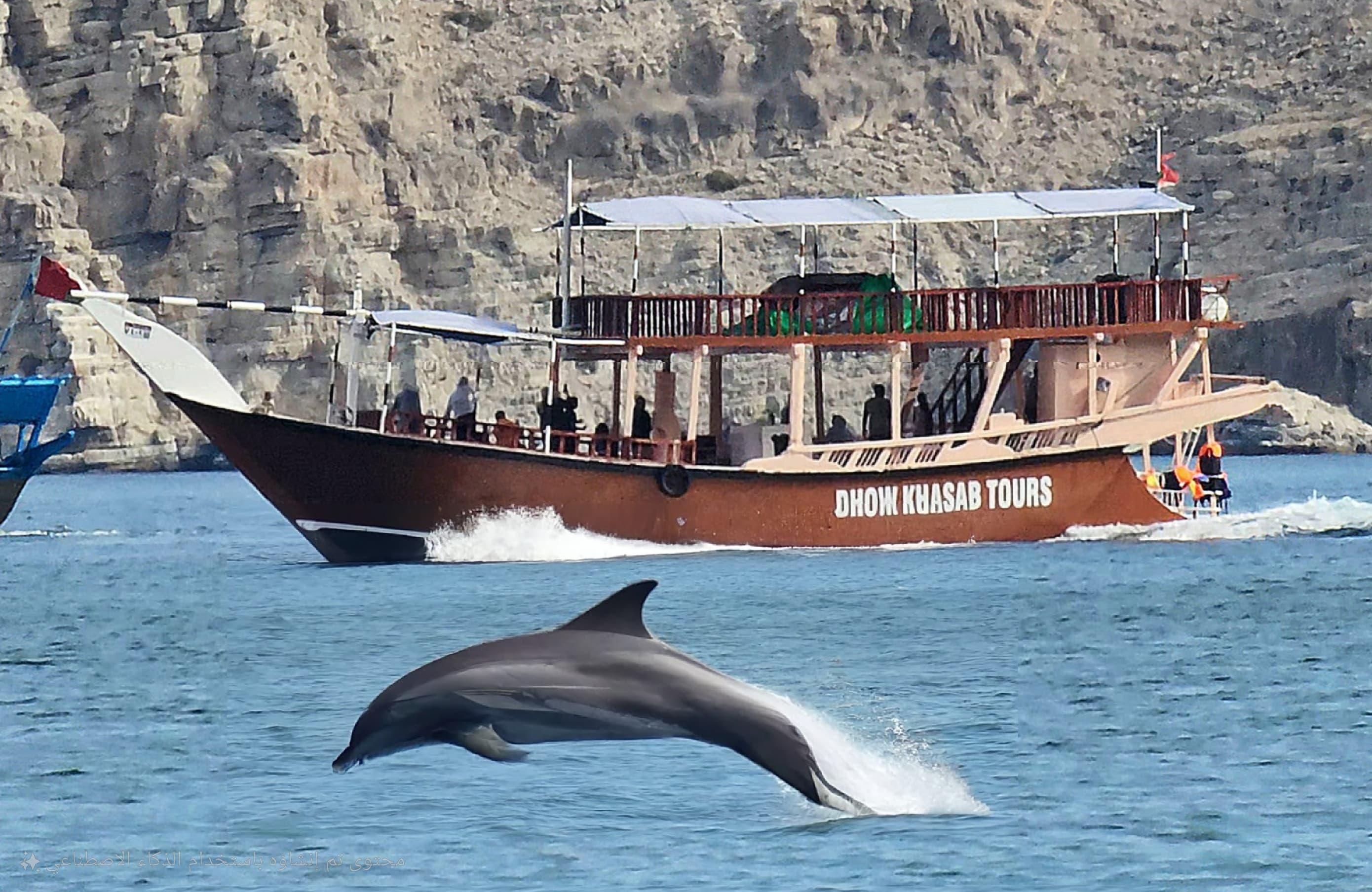
Khasab Fjords Dhow Cruise with Dolphin Watching & Snorkeling
Sail through stunning Musandam fjords, spot dolphins, snorkel vibrant reefs, and soak in dramatic cliff scenery.
Reserve
Hand-picked by our editors — only the best 5 dhow experiences from 12 reviewed.
Verified partners for every tour, free cancellation where available, and instant confirmation on every booking.
3 hr 30 min
Sail through stunning Musandam fjords, spot dolphins, snorkel vibrant reefs, and soak in dramatic cliff scenery.
Reserve
24 hr
Set sail on an Omani dhow through dramatic fjords, spot dolphins, and snorkel in crystal waters
Reserve
4 hr 30 min
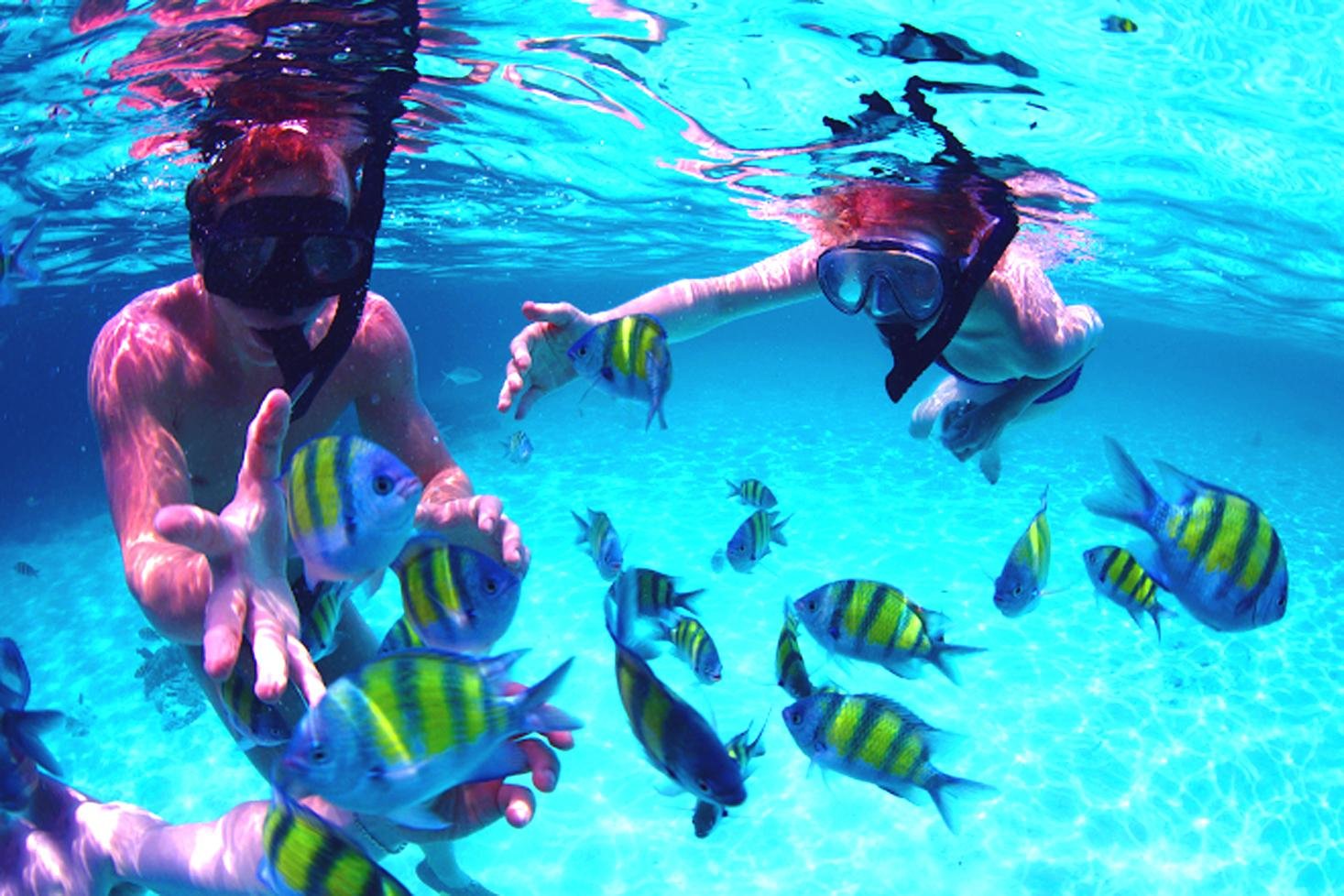
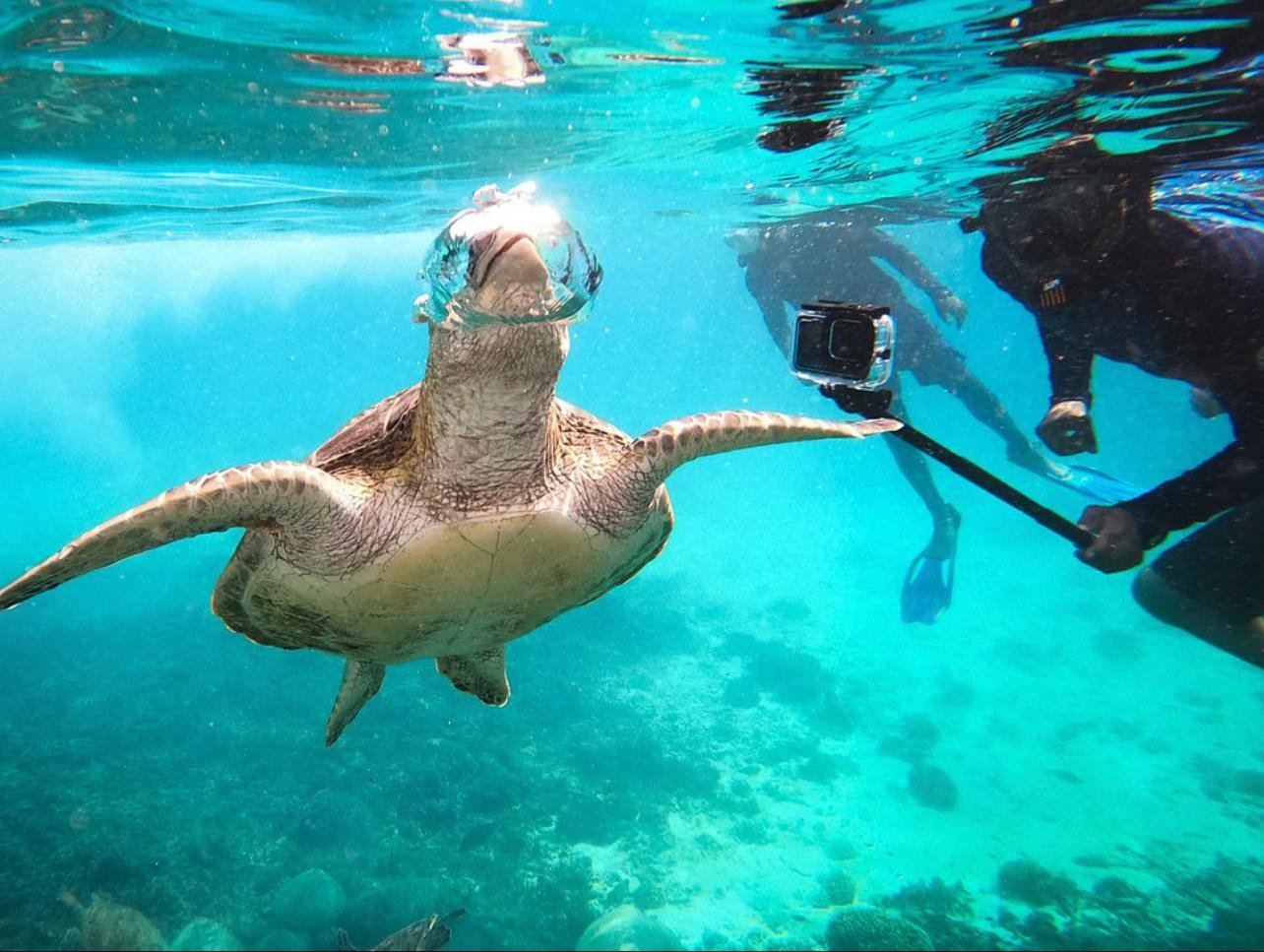
Dive into Oman's protected marine reserve and snorkel among turtles, coral, and tropical fish
ReservePrices from verified partners. Availability updates in real time at checkout. Free cancellation policies apply where shown.
The landmarks, rooms, and views travelers on this tour remember — all visible on a single visit.
Sail through the most spectacular inlet, often called the Norway of Arabia, where mountains meet the sea.
Snorkel in the crystal-clear waters surrounding this former 19th-century British telegraph station.
Visit this remote island stop known for its vibrant marine life and excellent swimming conditions.
Experience the coast on a handcrafted wooden vessel featuring plush cushions and carpets.
Explore the highest peak in the Musandam Peninsula, reaching an elevation of 2087 meters.
They complement each other; most visitors who do both call the Khasab fjord cruise the more convenient option, while Dibba provides a more extensive escape for water sports fans who want a longer oman musandam boat trip tour.
| Feature | Top pick Khasab Dhow Cruise | Dibba Dhow Cruise |
|---|---|---|
Travel Distance from Khasab |
0 km (Khasab Port) | ~130 km |
Cruising Duration |
3–6 hours | 6–7 hours |
Primary Focus |
Dolphin spotting and fjords | Snorkeling and beach relaxation |
Water Sports Availability |
Basic swimming and snorkeling | Guided snorkeling and kayaking |
Ideal For |
Short trips and families | Full-day sea adventure seekers |
Vessel Type |
Traditional wooden dhow | Traditional wooden dhow |
| See tickets → |
Verdict: Choose the oman musandam boat trip tours in Khasab for immediate access to dramatic scenery, or select the Dibba option if your priority is purchasing oman musandam boat trip tickets for an extended day on the water.
Choose your ticket, select your date, and reserve in under two minutes. Secure checkout handled by our verified partner.
Instant confirmation by email, with a mobile voucher you can save offline. No printing, no queuing at a collection desk.
Arrive at the entrance, show your voucher on your phone, and walk in. Most tickets include priority or skip-the-line access.
Practical details for your visit straight from our verified partners — hours, access, rules, and how to get there.
Khasab Port, Khasab, Musandam, Sultanate of Oman
Shared dhow operators typically meet here.
Drive northeast on Al Maktoum Street toward the port; parking is available.
Taxis from Khasab city center to the port are readily available.
Wear light, comfortable clothing suitable for a boat trip. During winter months, carry a light jacket as sea breezes can be cool.
Security at Khasab Port is standard for a maritime facility. Keep your passport or ID accessible for any potential border or port authority checks.
Photography of the majestic fjords and dolphin sightings is encouraged. Please respect the privacy of local fishermen if photographing traditional villages.
The port area is flat, but boarding a traditional dhow may require navigating a short ramp or ladder. Inform your operator in advance if you require assistance.
The boat trips are highly suitable for families, with calm fjord waters and dolphin watching providing entertainment for all ages. Life jackets are provided on board.
Most full-day excursions include a buffet lunch served on the dhow. Refreshments, including water, coffee, tea, and soft drinks, are provided throughout the trip.
Khasab Port, Khasab, Musandam, Sultanate of Oman
Shared dhow operators typically meet here.
Get directionsBest time to go, insider tips, nearby landmarks, and the cancellation fine print — flip through to skim what matters to you.
How crowds, weather, and events shift across the year.
Ideal shoulder season with cooling temperatures and high marine activity.
Peak season featuring the coolest weather and best conditions for outdoor excursions.
Warm weather perfect for swimming and snorkeling in the fjords.
Hot summer months with fewer crowds; best for those who enjoy higher temperatures.
Small details that turn a good visit into a great one.
Booking directly with local operators often secures better rates than cruise excursion desks.
Ensure your passport is valid for at least six months and check visa requirements.
Even on the boat, the sun can be intense; drink water frequently throughout the day.
Dress modestly when in the town of Khasab away from the water.
Follow the recommended 09:30–10:00 arrival window for shared dhow cruise operators.
Tours may be cancelled due to sea conditions; check with your operator on the morning of your trip.
Non-bookable sights within a short walk — free to visit, easy to pair.
17th-century fort featuring a museum with Omani historical artifacts.
Quiet, relaxing beach area located near the main cruise port.
Scenic wadi showcasing prehistoric rock carvings of ships and warriors.
Highest peak in the Musandam region offering panoramic fjord vistas.
Flexible, no hidden fees.
Cancellations made due to unsafe sea conditions receive a full refund within 7 days. Please note there is 0 OMR entrance fee for the port area itself.
Hand-picked options within walking distance — pick a district for vibe, or a specific hotel for convenience.
Standard hotel providing basic amenities for travelers.
Resort overlooking the water with mountain and sea views.
Various guesthouses and local apartments available in the town center.
The Musandam Peninsula occupies 1,800 square kilometers of jagged limestone that plunges directly into the Strait of Hormuz, carved by tectonic upheaval into a maze of khors—inlets the Portuguese navigators called fjords when they arrived in 1507. Separated from the rest of Oman by seventy kilometers of United Arab Emirates territory, Musandam remained inaccessible by road until the coastal highway opened in 2008, preserving a maritime culture built entirely around wooden dhows that still serve as the primary transport between cliff-side villages with no overland connection. Khasab Port anchors the regional economy today, but until the 1970s the harbor saw only fishing fleets and smuggling routes to Iran, twenty nautical miles north across water that funnels forty percent of the world's seaborne petroleum. The traditional dhow—constructed without blueprints using techniques passed through Kumzari boat-building families—evolved for these conditions: shallow draft for beaching, lateen sails for narrow tacking between headlands, and hull capacity to carry goats, dates, and timber across to Persian markets. Modern tour operators retrofit these vessels with shade canopies and snorkeling platforms, but the hull design remains unchanged from the craft that supplied Telegraph Island's British relay station in the 1860s. An Oman Musandam boat trip departs Khasab between seven in the morning and late evening, navigating khors that descend to forty meters within sight of shore—depths that sustain spinner dolphins year-round and draw schools of kingfish during the October-to-March cool season when surface temperatures drop to twenty-two degrees Celsius. The limestone strata record 250 million years of seabed compression, tilted vertical by the collision of the Arabian and Eurasian plates, creating overhangs that shelter the few remaining coastal villages where Kumzari—a language blending Arabic, Persian, and Portuguese—is still spoken by fewer than four thousand people. Operators anchor at Telegraph Island's ruins and at coves near Sham and Qanaha, where visibility exceeds fifteen meters over coral gardens recovering from the 2017 bleaching event that affected thirty percent of shallow reefs.
"Until the 1970s the harbor saw only fishing fleets and smuggling routes to Iran, twenty nautical miles north across water that funnels forty percent of the world's seaborne petroleum."
A step-by-step walkthrough of the visit — what you'll see, how long each stage takes, and the details that matter.
You board at Khasab Port between nine-thirty and ten, stepping from concrete jetty onto teak planks worn smooth by decades of barefoot crossings. The dhow's diesel engine—a retrofit beneath the original mast housing—pulls you north past Qanaha's abandoned stone houses, their doorways facing the water because no roads ever connected them to the interior plateau. Fifteen minutes offshore, a pod of spinner dolphins surfaces to starboard, exhaling in synchronized bursts before vanishing beneath the keel. The captain cuts the engine at Telegraph Island, where you wade ashore to examine the British telegraph station's foundation walls—built in 1864 to relay messages between Bombay and London, abandoned when the crew succumbed to heat and isolation within eighteen months. Back aboard, the crew distributes masks and fins. You slip into twenty-four-degree water above a coral slope, following sergeant majors and blue-barred parrotfish around table corals recovering their color after recent bleaching. Lunch is grilled kingfish and saffron rice served on the foredeck while the dhow drifts through Khor Ash Sham, limestone walls rising three hundred meters on both sides, their strata tilted at sixty-degree angles—seabed turned vertical by tectonic collision. You anchor a final time near Nadifi, where goats descend impossible trails to drink from the tide line, and the only sound is water lapping against the hull.
The Khasab Port area is open from 07:00–23:59 daily, with boat departures typically starting around 09:30.
Entrance to the port area is 0 OMR, though specific boat tour prices will apply.
The best time for an oman musandam boat trip is between October and March when the weather is mild.
Yes, families are welcome on every oman musandam boat trip, and life jackets are provided on board.
Tours typically include a buffet lunch, refreshments, and use of snorkeling gear for your oman musandam boat trip.
While meals are provided, you may bring your own snacks for your oman musandam boat trip if you have specific dietary needs.
You can reach the departure point by taxi from Khasab city or by car, following signs to the port.
Yes, swimming and snorkeling are major activities offered during the oman musandam boat trip at designated spots like Telegraph Island.
Operators typically provide a full refund within 7 days if an oman musandam boat trip is cancelled due to unsafe weather.