
English| EUR
Suggested for you
More currencies
Choose a language
The Musandam Governorate sits separated from mainland Oman by a stretch of the United Arab Emirates, making the journey from Muscat a cross-border undertaking rather than a domestic drive. Most travelers complete the route in four to five hours, transiting briefly through UAE territory before re-entering Omani soil at the Tibat border post.
Quick answer
The standard route from Muscat to Musandam requires transiting through the United Arab Emirates via the E11 coastal highway, covering approximately 450 kilometers and four to five hours of driving. After crossing into the UAE at Wajajah, you re-enter Oman at the Tibat checkpoint near Khasab. Entry requires a valid visa; the standard Oman entry visa costs 5 OMR per person, though fees vary by nationality and visa type. Arriving between 06:00 and 10:00 allows you to clear immigration formalities early and avoid peak midday heat.
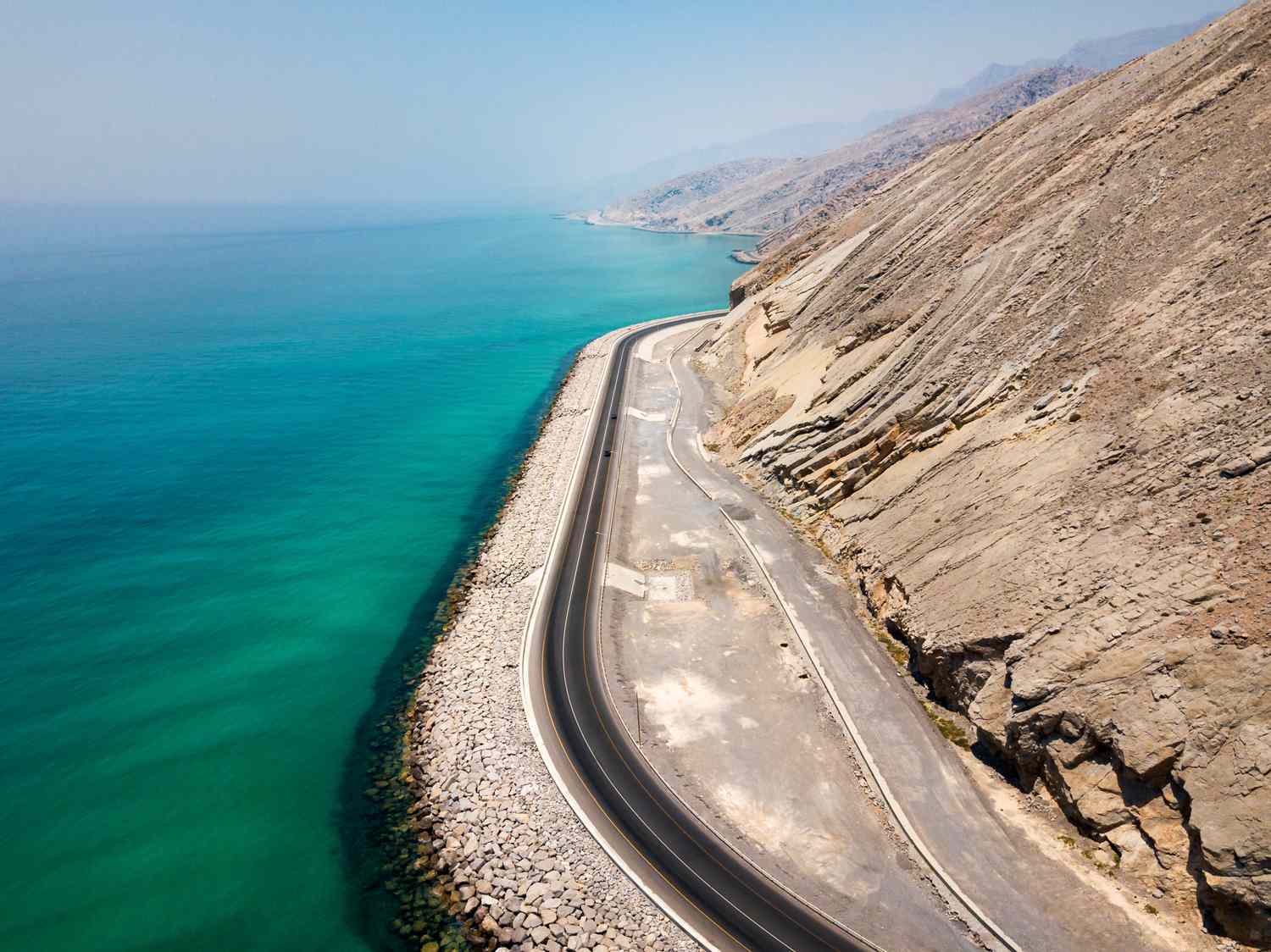
No direct overland corridor connects Muscat to the Musandam peninsula within Oman alone—the governorate is geographically isolated by the Hajar Mountains and a band of Emirati territory. This makes the journey inherently international, with two border crossings punctuating an otherwise straightforward coastal drive. The most traveled route follows the Batinah coastal plain north from Muscat on Route 1, passes through Sohar, then crosses into the UAE at the Wajajah border post. From there, the E11 highway runs northwest through Ras Al Khaimah emirate before arriving at Tibat, where you re-enter Oman and continue the final stretch to Khasab, Musandam's administrative center. The highway is well maintained, though the mountain topography along the final approach can slow progress. UAE transit visas are not typically required for most nationalities holding valid Oman visas, but confirming current UAE entry rules with your consulate before departure prevents delays at the first crossing. An alternative coastal route skirts the eastern edge of the UAE through Fujairah, adding distance but offering fjord views as you approach the peninsula from the south. This track is less direct and sees lighter traffic, favored by travelers with flexible schedules who prioritize scenery over speed. Neither route offers public transport; rental cars and private taxis dominate, with shared taxis operating sporadically from Sohar. Border formalities at both crossings are generally efficient outside peak holiday periods, though documentation checks can extend crossing times to thirty minutes or more during Eid and national holidays. Carrying passport photocopies, vehicle registration, and proof of insurance smooths the process. Fuel stations cluster around Sohar and within the UAE; the final stretch into Musandam has fewer services, making a full tank advisable before Tibat. The journey rewards early starts—clearing Wajajah and Tibat by mid-morning keeps you ahead of afternoon heat and positions you to reach Khasab with daylight hours remaining for onward travel within the governorate.
“No direct overland corridor connects Muscat to the Musandam peninsula within Oman alone—the governorate is geographically isolated by the Hajar Mountains and a band of Emirati territory.”
Musandam is a geographically isolated exclave of Oman, separated from the rest of the country by the United Arab Emirates. Travelers can reach the peninsula by vehicle transit through the UAE or via domestic flight services.
Muscat to Musandam via Route 1 and E11 (UAE)
Muscat International Airport (MCT) to Khasab Airport (KHS)
When driving, prepare for international border crossings between Oman and the UAE; ensure you have all necessary documentation for transit before departure. Arriving within the recommended window helps facilitate a smoother transit through border checkpoints.
The best arrival window for your journey to Musandam is 06:00–10:00. Arriving during this period helps you avoid peak midday heat and ensures you complete border immigration formalities early in the day.
Mild, 20°C to 30°C
Cooler temperatures provide the most comfortable conditions for outdoor exploration and sea travel.
High, exceeding 40°C
Extreme heat makes daytime outdoor activities difficult, though coastal breezes offer slight relief.
—
Planning your border crossing for weekday mornings significantly reduces wait times at immigration checkpoints compared to weekends.
Verdict: The most effective time to travel is between October and April, specifically arriving at the border between 06:00–10:00 on a weekday.
The border crossing and travel route to the Musandam Governorate operate continuously throughout the week. Access remains available at all times to facilitate travel from Muscat.
Cross-border travel to Musandam requires specific documentation and vehicle paperwork.
Everything you need to know about how to go to musandam from muscat
Travelers typically reach the Musandam Governorate by flying from Muscat to Khasab or by driving through the United Arab Emirates. Choosing your Muscat to Musandam transport depends on your preference for scenic road travel versus flight speed.
Yes, you must pass through international borders when traveling by road, which requires careful planning. Always ensure your passport and visa status are current before you begin your Musandam excursion.
The best arrival window is 06:00–10:00 to avoid peak heat and clear border immigration formalities early in the day. Planning your arrival during these morning hours ensures a smoother experience at the checkpoints.
The entrance fee is 5 OMR per person, which covers the Oman entry visa. Please note that this fee varies by nationality and visa type, so verify your status via the official site.
You will need a valid passport and the appropriate visa documentation for Oman. You can check the latest requirements on the official site, evisa.rop.gov.om, before your departure.
The region is open throughout the week, including all days from Monday to Sunday. Visitors can plan their Musandam sightseeing tour at their convenience, provided they account for travel time and border procedures.